The Largest Study of Its Kind: Evidence from The Lancet
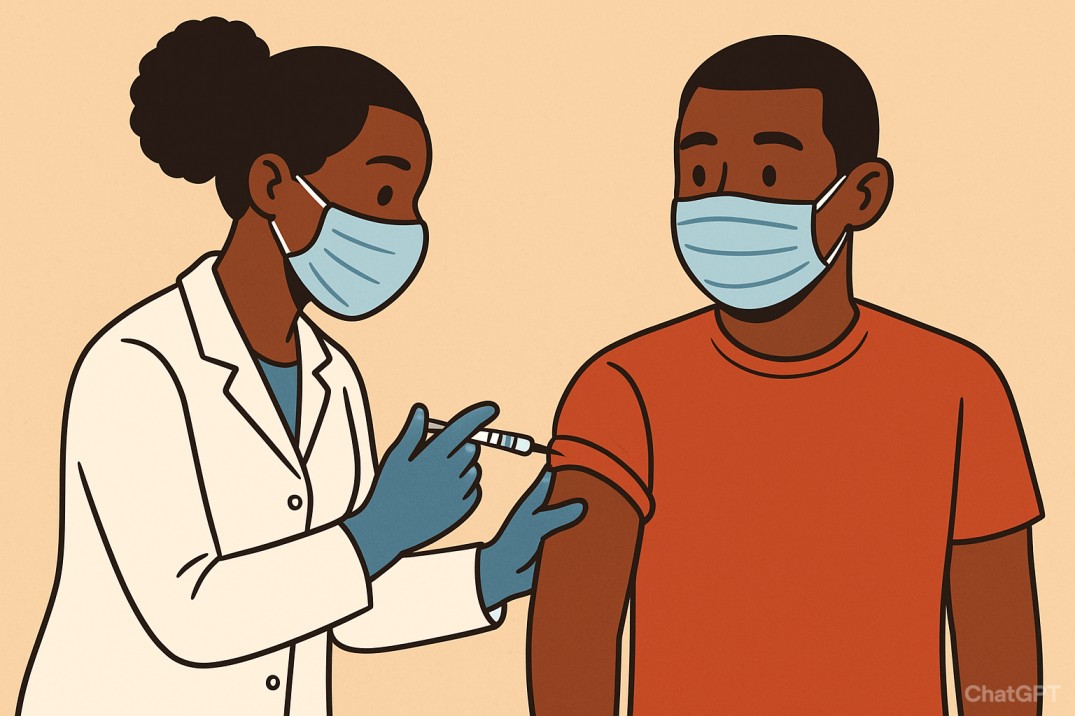
A Lancet Child & Adolescent Health study published this fall analyzed health data from nearly 14 million children across England, representing 98% of the nation’s population under 18. Of those, 3.9 million had been diagnosed with COVID-19, while 3.4 million received the Pfizer-BioNTech vaccine.
The results were unambiguous. Researchers found that the risk of heart inflammation — myocarditis or pericarditis — was higher after infection than after vaccination, and the elevated risk after infection could last up to a year. After vaccination, risk levels briefly increased for a few weeks, then returned to normal.
Over six months, COVID-19 infection led to 2.24 extra cases of myocarditis or pericarditis per 100,000 children, compared to 0.85 per 100,000 after vaccination.
Dr. Angela Wood of the University of Cambridge summarized it clearly:
“Our study showed that although these conditions were rare, children and young people were more likely to experience heart, vascular, or inflammatory problems after a COVID-19 infection than after having the vaccine — and the risks after infection lasted much longer.”
The study, supported by the British Heart Foundation, concluded that the overall risks remained low — but notably lower with vaccination.
Across the Channel: European Data Confirms the Pattern
Meanwhile, a separate European study conducted at La Paz University Hospital in Spain, published in Biomedicine & Pharmacotherapy in 2024, tracked more than 500,000 individuals. It found that:
- People who had received at least one mRNA vaccine dose experienced 5 cases of myocarditis or pericarditis per 100,000.
- Unvaccinated individuals saw rates around 70 per 100,000.
- And those infected with COVID-19? A staggering 200 per 100,000 — forty times higher than the vaccinated group.
The European researchers also noted that myocarditis following infection tended to be more severe and more likely to result in hospitalization or death than post-vaccine cases, which were typically mild and temporary.
What This Means for Families and Communities
When misinformation spreads — often through social media posts stripped of context — it can sound convincing. But these studies, covering tens of millions of people, reveal a consistent truth across continents:
The vaccine’s risk is small and short-lived; the virus’s risk is higher, longer, and more dangerous.
COVID-19 infection doesn’t just cause short-term illness. It can leave behind inflammation and cardiovascular complications that linger for months, even in young and otherwise healthy individuals.
The question isn’t “vaccine or no risk.” It’s “vaccine or infection.” And infection takes the heavier toll — on both the heart and the community.
Why This Matters Now
Even as COVID-19 recedes from the headlines, it hasn’t disappeared. Variants continue to circulate, and new data show that long-term complications, including myocarditis, remain a concern. Whole-population monitoring, like the studies from the UK and Spain, helps guide smarter vaccine decisions — but the takeaway remains constant: vaccines protect.
Dr. William Whiteley of the University of Edinburgh put it plainly:
“Risks of myocarditis and inflammatory illnesses were low for children and young people — and they were lower after COVID-19 vaccination than after COVID-19 infection.”
The Bottom Line
COVID-19 vaccines are among the most closely studied medical tools in history. They are not without risk, but the risks of infection are greater, longer lasting, and far more dangerous.
Protecting your heart — and your family — means protecting yourself from infection. Vaccination remains the safest and smartest way to do that.
Let’s keep the conversation grounded in evidence, not fear. Because when it comes to COVID-19, the real threat to your heart isn’t the vaccine — it’s the virus.
Also Read: Low COVID and Flu Booster Uptake in 2025 Raises Public Health Concerns