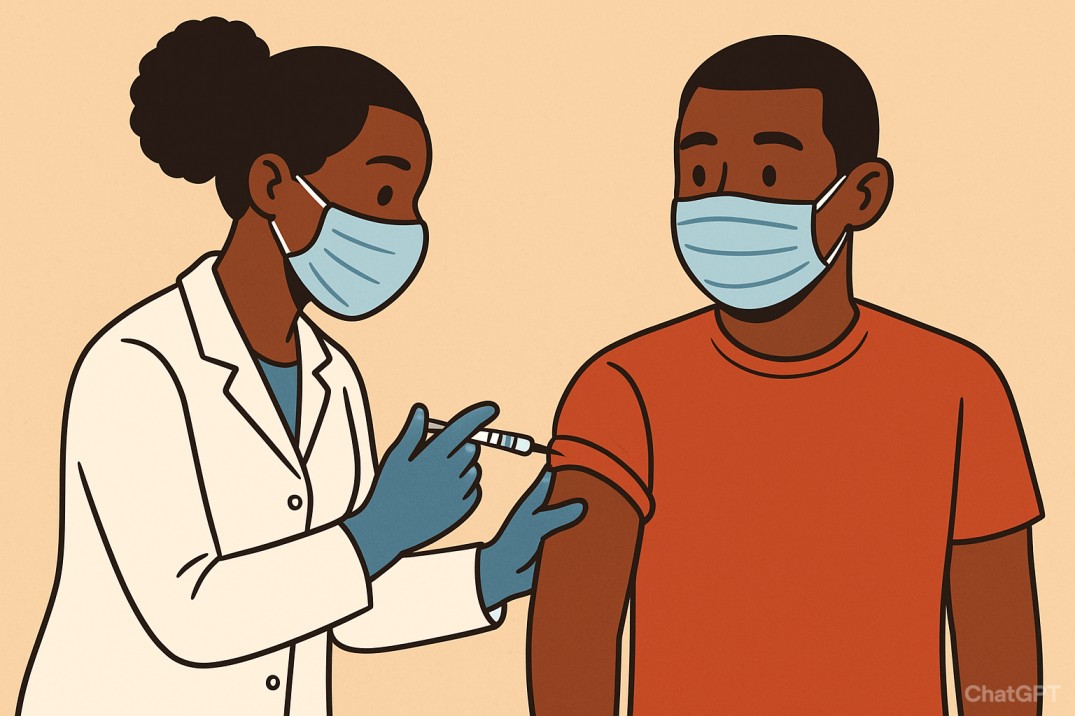
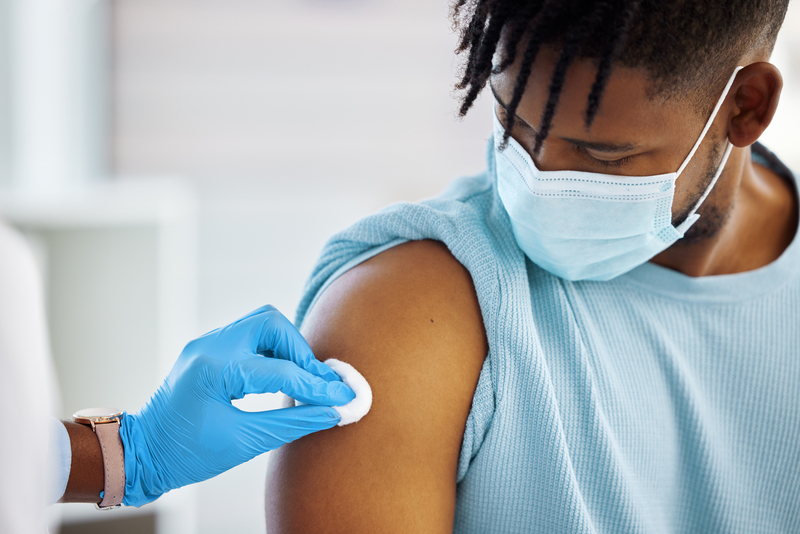
Vaccines are one of the most powerful tools in modern medicine. They protect individuals, families, and entire communities from serious diseases. Yet in many Black communities across the United States, conversations about vaccines are often shaped by historical injustices, barriers to access, and mistrust of the healthcare system. Understanding this history while also emphasizing the lifesaving benefits of vaccines is key to improving health outcomes.
A Legacy of Mistrust
Mistrust of the medical system within the Black community is not unfounded. From the Tuskegee Syphilis Study to ongoing disparities in healthcare access and treatment, Black Americans have experienced systemic racism that fuels hesitation around medical interventions, including vaccines. This history as well as current distrust, must be acknowledged openly to build trust and move forward.
Why Vaccines Matter
Despite these challenges, vaccines remain essential for preventing serious illness. They protect against diseases such as measles, polio, influenza, COVID-19, and HPV. Vaccination not only helps protect individuals but also strengthens community immunity, reducing the spread of diseases that can disproportionately harm vulnerable populations.
-
Preventing Severe Illness: Vaccines dramatically lower the risk of hospitalization and death from infectious diseases.
-
Protecting Future Generations: Childhood vaccines have nearly eliminated illnesses like polio and measles in the U.S.
-
Reducing Health Disparities: Black Americans often face higher rates of chronic conditions such as diabetes, asthma, and heart disease, which can worsen outcomes if paired with vaccine-preventable illnesses.
Addressing Barriers to Access
For many Black families, access to vaccines is not only about trust but also about affordability, transportation, and availability of clinics in their neighborhoods. Community health centers, mobile vaccine clinics, and culturally responsive outreach can help bridge these gaps.
The Role of Trusted Voices
Trusted messengers—such as Black physicians, nurses, faith leaders, and community advocates—play a critical role in helping families make informed health decisions. When vaccine information comes from familiar and respected sources, it resonates more deeply.
Moving Forward
The importance of vaccines in the Black community extends beyond individual protection. It is about empowerment, reducing health inequities, and ensuring that every generation has the opportunity to live healthier, longer lives. By acknowledging the past while embracing the benefits of modern medicine, vaccines can continue to be a pathway to stronger, healthier Black communities.